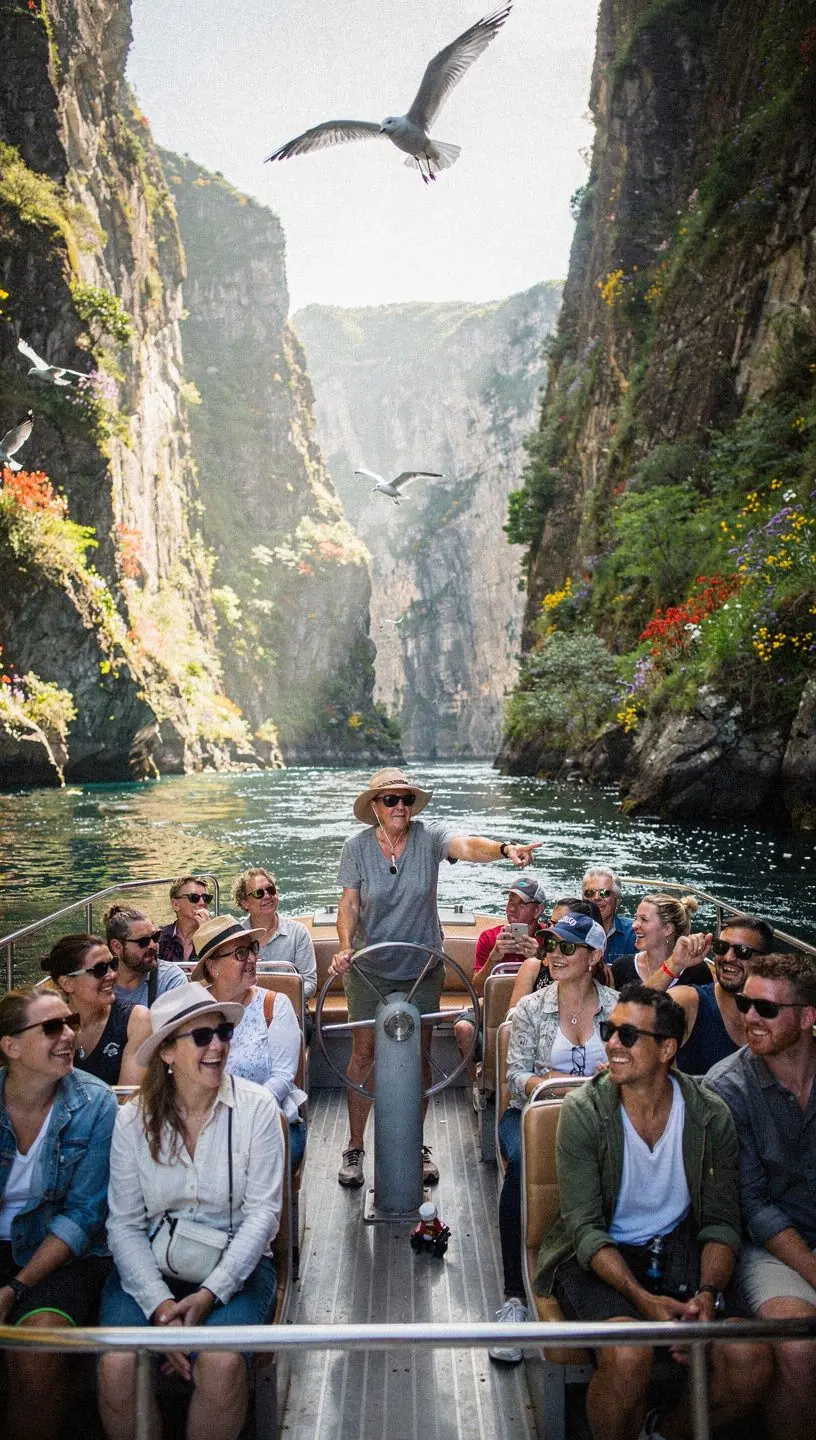
The Environmental Impact of Boat Excursion Tourism
Boat excursion tourism can create unforgettable experiences, but it is essential to consider its environmental impact. Understanding these implications can help operators and tourists alike make informed choices that contribute to sustainable practices.
Understanding the Basics
According to studies, boat excursions often lead to various environmental challenges, including water pollution, habitat destruction, and disturbances to marine life. The principle behind these impacts lies in the nature of the activities involved, such as the use of fuel-powered vessels that can emit pollutants into the water and disrupt local ecosystems.
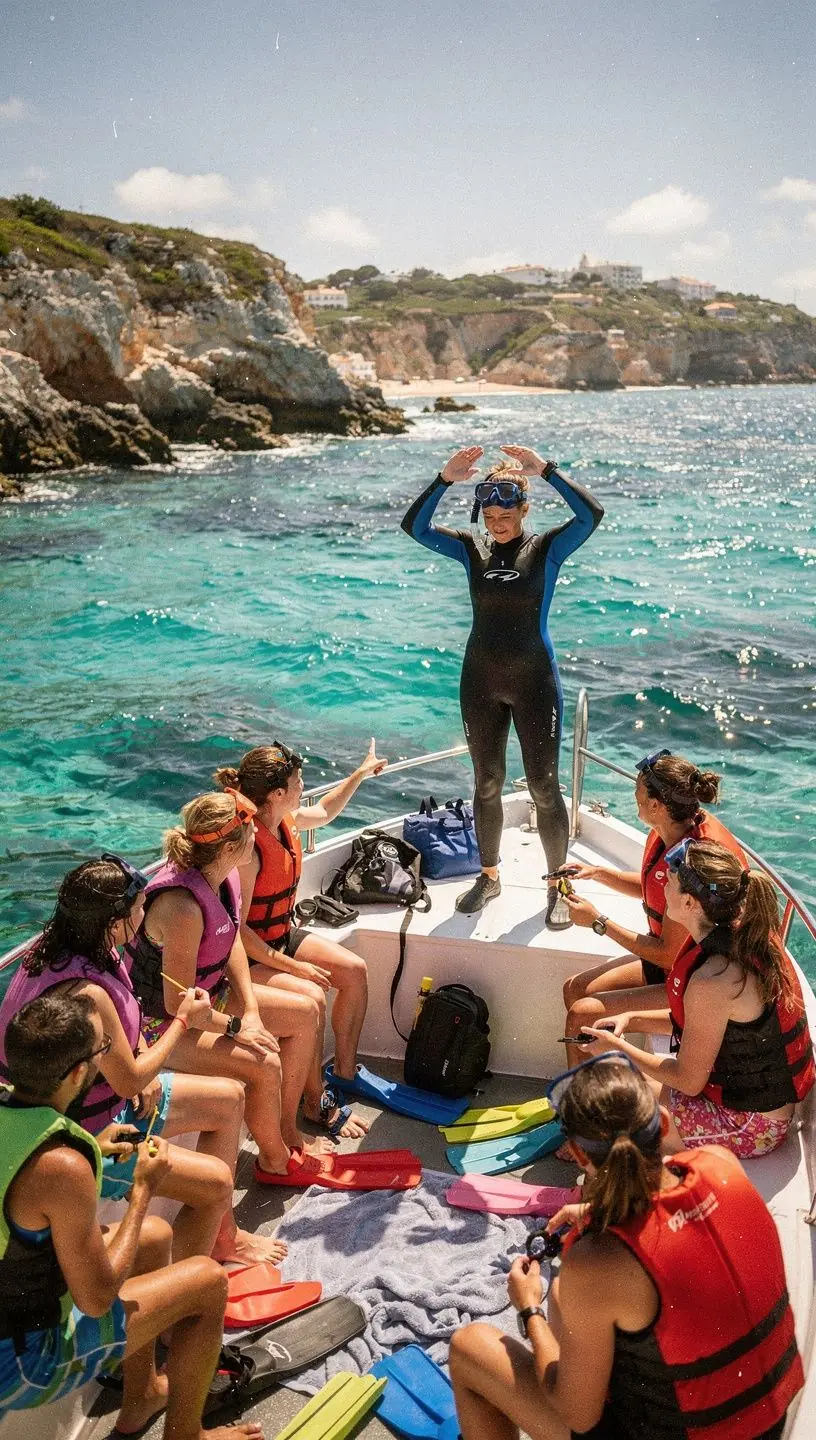
"Research indicates that tour boats can contribute significantly to localized pollution and habitat degradation." - Marine Conservation Society
Common Environmental Concerns
- Water Pollution: Fuel spills and waste discharge from boats can pollute water bodies, impacting both aquatic life and the quality of the water.
- Wildlife Disturbance: Many users report that boat tours can disrupt feeding and breeding behaviors in marine species, particularly among sensitive species like dolphins and seabirds.
- Coastal Erosion: Frequent excursions can lead to physical damage to shorelines and fragile ecosystems, contributing to erosion and habitat loss.
Best Practices for Sustainable Tourism
To minimize environmental impacts, boat excursion operators can implement several best practices:
- Use of Eco-Friendly Vessels: Incorporating electric or hybrid boats can significantly reduce emissions and fuel consumption.
- Waste Management: Ensuring proper waste disposal and providing on-board facilities for waste can help prevent pollution.
- Education and Awareness: Operators should prioritize educating tourists about respecting marine environments and wildlife during their excursions.
Conclusion
Boat excursions can offer enriching experiences, but they also come with environmental responsibilities. By adopting sustainable practices, operators can mitigate negative impacts while enhancing the overall experience for tourists. The journey toward environmental stewardship in boat tourism may take time and effort, but it is a crucial step for the future of our oceans and coastal environments. As highlighted by many industry experts, a balanced approach can lead to a thriving tourism sector that respects and preserves the natural beauty of our marine ecosystems.